

FINANCIAL CONNECTION
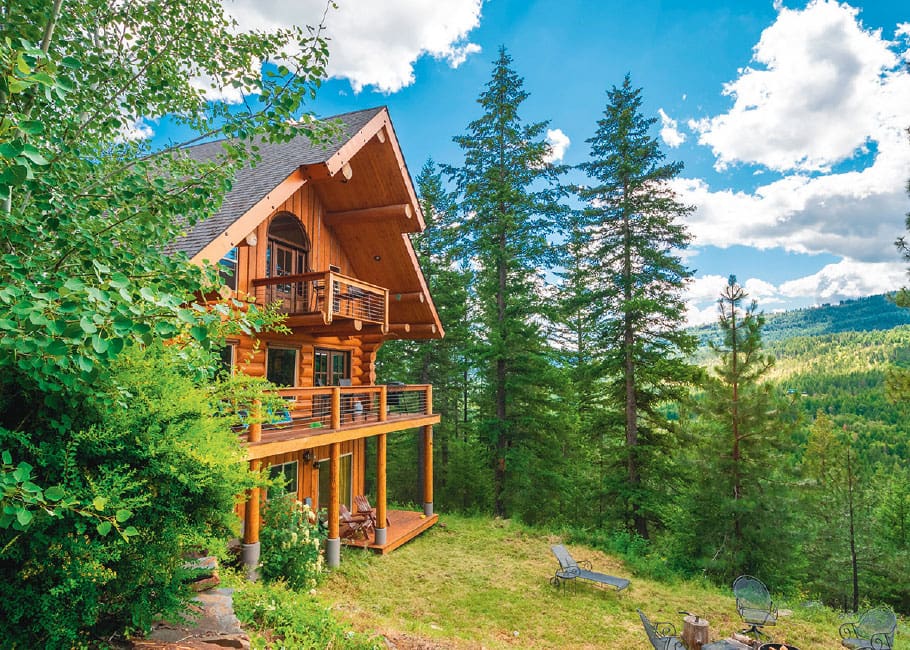
© KIRK FISHER / STOCK.ADOBE.COM
Cottages and taxes?
Understanding the financial implications of your home away from home
by LANA SANICHAR
The Canadian MoneySaver gets many emails and letters from our subscribers about investing, financial planning and taxation. But the No. 1 question is on the topic of cottages and how the owner’s taxes will be affected when it is time to sell or when it’s left to other individuals after the owner passes away.
To help answer that question, I reached out to Brian Quinlan, CPA of Campbell Lawless LLP in Toronto and a Canadian MoneySaver contributing author, for his best tips. He highlighted a number of income tax issues to keep in mind.
- If the cottage is gifted prior to death—to, say, an adult child—the cottage is deemed to have been sold at market value at the time of the gift. The gifter—the parent—will incur a taxable capital gain and a tax liability. However, there will be no cash to pay the tax since there was no actual sale. Here, perhaps, the adult child who received the gift of the cottage, can help the parent out in funding the tax liability.