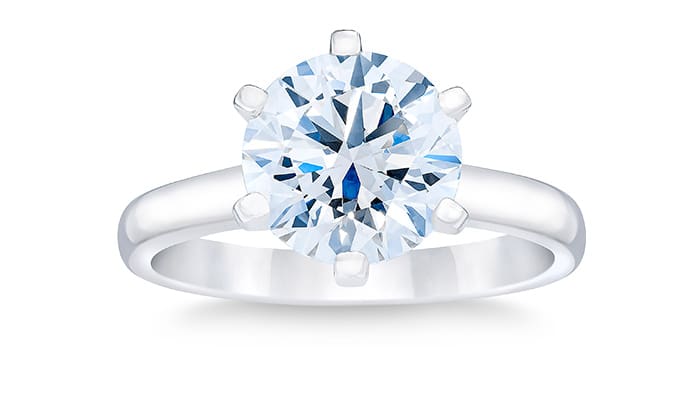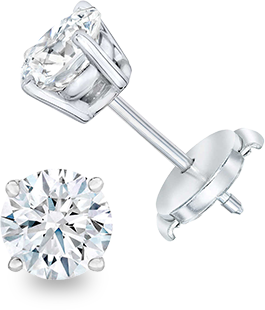
There is nothing more captivating than the raw beauty of a diamond. This rare and precious gem is one of our most prized and sought-after natural resources. Its transparency, depth, and fiery brilliance make it different than any other gem on earth. As early as the 15th century, diamonds have been offered as a symbol of enduring love and affection. And their timeless allure is the reason they still remain so popular today. Whether it’s for an anniversary, a birthday, or just because, there is no more beautiful gift than diamond jewellery.
Buying Diamonds at Costco
Each piece of jewellery is thoroughly scrutinized for diamond quality, as well as overall manufacturing and craftsmanship. Costco’s team of Gemologists, all of whom have graduated from a Gemological Institute of America (GIA) program, inspect for diamond color, clarity, cut, and carat weight. When purchasing diamond jewellery from Costco, you can be assured you will receive quality jewellery at an unparalleled value.
We guarantee that all diamonds supplied by Costco Wholesale have a clarity to be "VS2" or better and color to be "I" or better as outlined by the industry standard in the Gemological Institute of America (GIA) grading guide. Costco only sells diamond cut grades that range from Very Good to Excellent.
Although treating diamonds is an accepted practice among many jewellers, Costco sells only untreated diamonds
Certifications
All diamond jewellery items from Costco come with some type of certification or documentation. Depending on the characteristics of the item, it may come with one or more of the following reports:
Costco Article of Description
When you purchase an article of jewellery with a diamond of less than 1.00ct, you will receive an Article of Description written by one of our Gemologists, with a degree from GIA, detailing your jewellery piece.
GIA Diamond Grading Report
When you purchase an article of jewellery with a 1.2ct center diamond or larger, you will receive a Diamond Grading Report from the Gemological Institute of America (GIA) detailing and mapping the diamond. Also provided on center stones with higher colour and clarity than standard I colour/VS2 clarity.
Jewellery Grading Report
When you purchase an article of jewellery with a 1.00ct center diamond or larger, it will also include a Jewellery Grading Report describing the Jewellery piece. This report will not have a monetary value listed, however, you can contact the company that issued the report and request an insurance appraisal.
Cut
The most important characteristic of a diamond is cut, which refers to its basic shape and the quality of its proportions. When evaluating the quality of a cut, the diamond's facets and surfaces are examined to determine how well they reflect light. The more brilliant and luminous the diamond, the better the cut. The grading scale for the cut of a diamond ranges from Poor to Excellent.
Color
The second most important characteristic of a diamond is color, which refers to its natural hue. It’s incredibly rare for a natural diamond to be colorless, almost all diamonds have some type of inherent color, no matter how faint. During inspection, a diamond is assigned a letter to describe its color grade, these letters range from D (colorless) to Z (pale yellow). The closer a diamond is to being white, or colorless, the higher the value.
Carat
The final characteristic of a diamond is carat, which refers to its weight. It’s important to note that carat weight should never be confused with dimensions, or size. A diamond's size often depends on how the weight is distributed, which can be affected by the shape and cut of the diamond. In general, the larger the carat weight, the more expensive the diamond. Costco sells a variety of carat weights to fit any budget.
Clarity
The third most important characteristic of a diamond is clarity, which refers to the internal characteristics, or flaws, of the diamond. Flaws are considered to be any blemishes or internal inclusions. Since a diamond is a natural stone, flaws are quite common and expected. Most minor flaws are usually not visible to the naked eye, and do not affect the beauty and brilliance of the diamond. Each diamond is given a Clarity Grade that ranges from Included to Flawless. The closer a diamond is to Flawless, the higher its value.
There are 10 standard shapes, or cuts, for diamonds, each with their own unique characteristics. Most people have an opinion on which shape is the most beautiful or valuable, but in the end, the only opinion that matters is yours. Choosing the shape of a diamond is a matter of personal preference.
Eight of these cuts are considered Brilliant, and these include: round, princess, oval, cushion, radiant, pear, heart, and marquise. Brilliant cut diamonds have a larger amount of facets, which are intended to maximize light reflection and brilliance. Their exceptional sparkle is the reason brilliant cut diamonds are so very popular. The emerald and asscher cuts have larger, wider facets that really showcase the color and clarity of a diamond. Their particular beauty and appeal lies in their transparency and depth.
Round
Valued for its exceptional shine, the round brilliant is the most popular shape for diamonds, particularly engagement rings. It gets its intense beauty from its unique multi-faceted cut. Achieving this intricate cut requires more time and expertise, which is reflected in its higher price.
Shop Round
Princess
With its crisp lines and fiery brilliance, it’s no mystery why the princess diamond is so very popular. This square brilliant shape consists of multiple sparkling facets. Although it may be a classic, the princess cut also has a very contemporary appeal.
Shop Princess
Cushion
The elegant cushion diamond gets its name from its pillowy shape, which is square with gently rounded corners. It has a very luxurious, old world feel to it, which may be why it is sometimes referred to as an old European mine cut. The brilliant cushion cut has large facets that give it wonderful radiance and a very substantial appearance.
Shop Cushion
Oval
With its lovely elongated shape, the oval diamond offers a refined, graceful look for a woman’s hand. This special brilliant cut has an extraordinary sparkle and expansive surface area, which gives it a larger appearance than other shapes of the same size.
Shop Oval
Emerald
Nothing compares to the old world glamour of an emerald diamond. Its clean rectangular shape really showcases the diamonds color and clarity. Unlike other multi-faceted shapes, the appeal of the emerald cut lies in its openness and depth.
Shop Emerald
Pear
The pear diamond has a lush teardrop shape that is both dazzling and feminine. This beautifully faceted brilliant cut features one rounded, well-balanced end and one pointed end. It offers a very bold and unique look.
Shop Pear
Radiant
The gorgeous radiant diamond owes its remarkable sparkle to its highly-faceted brilliant cut. Incredibly luminous and fiery, the rectangular radiant is an exquisite blend of the princess and emerald shapes, and is a fashionable choice in engagement jewellery.
Shop Radiant
Marquise
The most unique of all the diamond shapes, the marquise diamond is long and lean with tapered ends. Gorgeously faceted, the brilliant marquise cut emits an impressive amount of sparkle and depth, and because it is the longest of all diamond shapes, it looks much larger than other shapes of the same size. The elongated cut also gives a lovely slender look to a woman’s hand.
Shop MarquiseResponsible Sourcing
Costco and our suppliers support the Kimberley Process, a multinational initiative to stem the flow of conflict diamonds, as well as the World Diamond Council (WDC) System of Warranties Statement, which is a voluntary system of industry self-regulation that assures buyers that the diamonds they’ve purchased are from legitimate conflict-free sources.
In our commitment to responsible sourcing, Costco requires all of our trade suppliers of diamond jewellery to provide us with a written warranty that ensures that the diamonds in the jewellery they have supplied to us were from legitimate sources not involved in funding conflict.
Diamond Care & Cleaning
Although diamonds are one of the hardest substances on earth, they are still vulnerable to damage such as abrasion, chipping, and breakage—that’s why it’s important to wear and store your diamond jewellery with care. Avoid all harsh chemicals such as bleach, ammonia, chlorine, hair spray, and perfume, as they may cause permanent damage to diamonds and metals. Avoid direct exposure to dirt, oils, and lotions, which can create a cloudy film on diamonds, as well as settle into the crevices of jewellery mountings. We recommend having your jewellery inspected every 6 months by a qualified jeweller for any needed maintenance or repair.
Most diamond jewellery can be gently cleaned with warm water, a small amount of mild soap, and a soft-bristle brush or cotton cloth. Rinse the jewellery thoroughly, and ensure that it is completely dry before storing. Do not use ultrasonic jewellery cleaners. Commercial jewellery cleaners are generally safe to use on most diamond jewellery; however, some solutions do contain chemicals that can cause permanent damage to diamonds, gemstones, and some metals. Use with caution.

FAQs